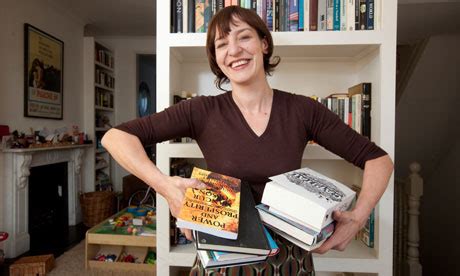
The dark item of the news today is a article in The Guardian by journalist Zoe Williams about research done to characterize “dark personalities (DPs)” or alternatively called “Persistent Predatory Personalities (PPPs)”. These are people who are malevolent and intentionally inflict harm on others. I read the PhD thesis of Karen Mitchell, which is linked here. Chapter 4 is worth reading, even if you skip the rest. It describes a model she developed after extensive interviews with people who meet the parameters of her model. Which is to say that they are malevolent and predatory. Dr. Mitchell started by noticing that the prior research had all been done via interviews with prisoners and those who knew them in jail; she wondered how DPs would act when their attributes did not land them in prison. She found the DP types outside of prison were even more dangerous than those that committed violent crimes. The prison population represents the low-functioning end of the scale, given that they were not astute enough to get away with the crimes. At the other end are high-functioning DPs, good at covering up their actions so that they looked normal much of the time, and to many of their friends, family, and co-workers. The high-functioning DP individuals present different dangers depending on whether they are CEOs, politicians, clergy, business employees and managers, or other professions and walks of life. They are found in every strata.
Dr. Mitchell started out by spending 30 years as a management change consultant, helping business organizations deal with necessary organizational change. She noticed that a small number of individuals were doing outsized harm to these organizations, and they seemed to have many attributes in common. So she spent 5 years studying these individuals, culminating in a PhD thesis. She is working on a book form of her data and conclusions.
Mitchell’s PPP (Persistent Predatory Personality) model of 20 attributes and 25 tactics that Dr. Mitchell created is complicated – and it is not a medical diagnosis —, but at a high level there are four main clusters of the 20 personality attributes:
Cluster one includes a need for control (far and away the most significant of the attributes); a grandiose sense of self; pathological inner response to challenge; vengefulness; and refusal to compromise.
Cluster two includes being predatory or exploitative; sadistic and cruel; having a low regard for laws, agreements, social and moral codes; no boundaries in sexual relationships; unreasonable expectations of others.
Cluster three relates to the truth: Dark Personalities cultivate a façade of normality; they are chameleon-like; dishonest; devious and manipulative; and unwilling to accept responsibility for the negative impacts they cause.
Finally, cluster four is around the Dark Personality’s own interior life: their emotions are acted, not real, and they do not experience affinity or the joy that comes with it; they are callous and devoid of empathy; unremorseful; self-interested; and brazen.
The 25 tactics (described as weaponry or behaviors) are as follows:
- Intimidates with an intent to create fear
- Isolates
- Weaponizes the justice system
- Accuses the victim of their own nefarious deeds (‘reverse attribution’), blames others
- Creates a contrived sense of deep connection
- Pretends to be the victim
- Capitalizes on data
- Blocks, evades, and deflects
- Focuses on evidence reduction and avoidance of transparency
- Diminishes, degrades, disempowers, and discredits
- Engages in a complex set of behaviors which are difficult to ‘see through’ and understand collectively
- Uses convoluted discussion
- Confuses and creates chaos
- Publicly and privately provokes
- Moves in and out of supportive and non-supportive approaches
- Attacks process and the qualifications, experience and integrity of professionals who challenge them
- Ingratiates themselves to people in power
- Dismisses, denies, and minimises
- Justifies and excuses
- Blackmails and bribes
- Delays and postpones
- Obligates
- Forces, coerces, and bullies
- Creates and capitalises on divisiveness, divides and conquers
- Mirrors and copies
This list is copied from Dr. Mitchell’s PhD thesis, Chapter 4, where each item is amplified and explained with quotes from victims.
One of the things that has held back the police and others from containing these people is that they are skilled at hiding what their real motivations are, and can hide their actions by their effectiveness at lying. The absence of shame, embarrassment, or empathy fools people into thinking that they can’t really be lying. Additionally, the motivations are so extreme that others avoid believing them.
This “PPP” model of malevolent behavior is not part of the DSM, the diagnostic reference for mental illness. High functioning DPs do not come across as crazy; rather they mean to harm people in a way that is not evident to those not their targets.
In evaluating elected officials or candidates, psychiatrists and other mental health professionals are held back by the “Goldwater rule.” The rule is that a mental health professional should not diagnose the mental impairment of someone that they have not personally treated. This rule arose in the 1964 election when 1,189 psychiatrists declared Barry Goldwater unfit to be President. The psychiatrists, in many cases, were expressing their policy beliefs in psychiatric disease terminology. There was such an uproar over this that professionals have since avoided diagnosing public figures at all costs.
The Mitchell model, however, is not a formal diagnostic criteria. Anyone can read what the behaviors are and come to a conclusion about whether someone they know exhibits them or not. Note that I saw this article in the Guardian, a UK newspaper, not in a US one; perhaps the topic is a bit too much of a hot potato for anyone here to publish it and draw the obvious conclusions. The model does not describe a specific mental illness, but rather captures the attributes and methods seen in people who were described as predatory by their victims.
Mitchell states that individuals whose attributes include most of the 20 items in every case include them all, although the situation they find themselves in can suppress the expression of some of them. For example, prisoners are typically prevented from retribution by virtue of the strict rules of the prison.
Understanding of these individuals is not gained by talking to them, due to their consistent lying and dissembling about their own actions and motivations. This is unique in psychology, and makes it very difficult to come to grips with the harm being caused. Rather, talking with the targets/victims produces the most accurate insights. Victims almost to a person report frustration that their concerns are not believed. “He is such a nice person!” the non-targets will say.
Given what these attributes, motivations, and behaviors are, individuals who embody them should not be in positions of authority or responsibility. When they interact with a spouse or romantic partner, they are likely to destroy the life of the partner. The interviews by Dr. Mitchell confirm that suicide rates and ideations are way out of proportion for targets/victims of a DP. When in a management position in an organization, they cause immense personal harm to co-workers and to the organization itself which can take years to recover from.
If this piqued your interest, follow the links above to the Guardian article, then read the PhD thesis chapter 4. It will be worth your while.
I will let you come to your own conclusions about what public figure(s) or people you personally know, if any, might have any or all of these attributes and behaviors.

