Quality and manufacturing were in the news today, bringing me back to the olden times 10 years ago when my job was walking factory floors and observing whether things were being done in conformance to approved manufacturing procedures. It’s Boeing that is in the news about this, of course. The process word of the day is “traveled” work. To “travel” a part or assembly means to move it along to a future stage of production even though, as manufactured, it does not conform to specifications.
For the record, if one of my clients “traveled” a part I would write them up. It would be a clear violation; repeating it could lead to shutting down the plant.
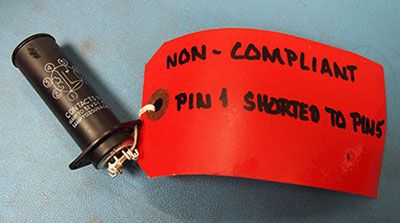
Apparently, allowing “travelled” parts was de rigueur at Boeing. If something could be fixed further down the line, the line kept going. This sounds good, right? Go faster? The problem is that these things pile up, and they don’t always get fixed correctly when they are moved to another factory where the workers are not as familiar with how that particular part goes together and by then have other things to focus on.
This was evidently a key factor in the Alaska airlines “missing bolts” incident, resulting in the door coming off of a 737 Max in mid-flight. A problem with the door assembly was observed in the Wichita plant where the fuselage was manufactured, but instead of fixing it, it was tagged as a “traveling non-conformance” and shipped, defective, to the Renton, Washington final assembly plant. The managers at the Renton plant were, I guess, in a hurry because they could not bill the customer until the plane went out the door. The employees working on the defective door assembly must have been told to finish quickly, and so they failed to put the door back correctly after dealing with the “traveled” problem. Boeing has not been able to find the repair sign-off record, so it looks like the hastiness involved recordkeeping as well as repairing.
Boeing’s CFO Brian West yesterday announced at a Bank of America investors’ meeting that their factories would no longer allow “traveled” work. In other words, they allowed it before. This will include shutting down two “shadow factories,” facilities that are not part of the regular process but are maintained just to repair defective parts that were made wrong and shipped anyway. It’s what Deming was saying 50 years ago; not doing it right the first time will eventually cause it to take longer, it won’t get done correctly, and it will cost more money.
Deming’s philosophy, now apparently being embraced by Boeing’s CFO, is a hard pill to swallow for this company. Not shipping defective parts is slowing down production, creating the appearance at Boeing of a huge cost hit, on the order of a $4 billion free cash flow reduction. I’m not making this number up. In other words, slowing down initially to allow employees to figure out how to get things right the first time looks to American management like a giant financial disaster.
This is the soft underbelly of American capitalism.
 Grandpa Dave Reads the News